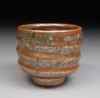
This one was a bit more. I like that it was handcrafted and more rustic. You have a point about the opening being more closed. That may actually wind up being a positive thing, trapping more heat rather than heating more from the bottom. This is my second time using it and am quite pleased! So far I have been more warming the tea rather than roasting. I used a thermometer and my hand to gauge the temperature of the interior.Tead Off wrote:Frisbeehead wrote:That's really cool, BioHorn. I may have to get one of these myself in the future. One of the things that really appeals to me about them is their ability to transform my older, more stale sencha into hojicha.
The sesame roaster you linked looks nice, albeit a bit more expensive than the ones I have looked at on Thes du Japon and other Japanese vendors' stores.
I don't think I would recommend that hojiki for 2 reasons. The first is cost, when you can buy one very inexpensively at yuuki-cha, for example. The second is that the opening doesn't really allow you to get a good look at the tea you are roasting. Keeping a visual inspection is important.
Most hojicha are not made using only sencha leaves. There is a high proportion of stems that make up most hojicha. Maybe you know that already.
I am not trying to push this horoku. There are many options out there. Using any kind of roaster may be a great way to improve your tea session.