I might just know which ROC pot you are talking about

I wonder how different it would be to refire a pot that was originally wood fired vs firing it in a modern gas kiln from scratch...
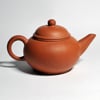
different!...steanze wrote:That's interesting, I did not know about this refiring business.
I might just know which ROC pot you are talking about
I wonder how different it would be to refire a pot that was originally wood fired vs firing it in a modern gas kiln from scratch...

kyarazen wrote:the type of clay in #1 is similar to the zi-qingshuini of the 70s, clays of such a characteristic/composition is still available today, but not openly, mostly held in the hands of people replicating old pots or high end pots. from the grape vine, it seemed that the real "hoarding" of these clays started in the late 80s, such clay was still visible in green label pots (78LouPepe wrote: My favorite pot is a modern EoT yixing. It would be helpful to point out that it's a clay #1 pot which is their costliest of their modern selection. But in my eyes it proves that what really matters is quality of clay, proper firing, and craftmanship. Old pots seem to be as much of a crapshoot as new ones. You have to spend either way to get a nice one. Save if you have to. Buy from reputable sellers. My 3 cents
'82), but post that period, no longer seen.
in the 60-70s, this clay was used to make flowerpots, and all sorts of random objects, i have some $10 flower pots from the 70s that are made of some of the densest and most beautiful qingshuini ever..
. I'm not very familiar with all the old clays, but did get the impression this clay #1 was indeed an "old" clay as the website states. It's very pure and dense like you say. And it retains aroma magnificently as well as picking up glow pretty easily during tea sessions. I'm guessing that's due to it being a well fired and 'breathable'. I've used it with aged oolongs mostly and it's just terrific, and we all know how finicky aged oolongs can be. Thanks for your sharing of knowledge, always a pleasure even for the less enthused yixing aficionados. it is roughly gongfu sizeLouPepe wrote: Fascinating. If only they had made the flower pots gungfu size
 i use it as a teaboat once in a while
kyarazen wrote:it is roughly gongfu sizeLouPepe wrote: Fascinating. If only they had made the flower pots gungfu size
a pic here at : instagram.com/p/7OASxARfzt/
 . Funny how they did not realize back in the day the value this clay would accumulate. Or maybe flower pots were important enough to them to use good clay in their making
I bought a teapot from Jing Tea Shop (chinese one), it says the material is pin zi ni. Most of their pots are dated earlier so I asked them if this one is used, didn't get a reply, still went ahead and bought it because I like the shape and size. It doesn't look new, and it has a strange smell from the outside when there is hot water or tea inside. I don't even need to come close to smell it. Is it a sign that this is a used pot?BW85 wrote:Yes there are still plenty of older pots that haven't been used. And pots that have been used can been cleaned, you can search this forum and find different cleaning methodswei301 wrote:
Is it still possible to get unused "older pots"? If they have been used, how can we clean them properly? I saw a pot described as "light use", with some ugly marks ...
This one :steanze wrote:Pictures? My used pots don't have a weird smell from the outside...
 I got a couple, but don't get me wrong they are good quality Yixings.
Hard to tell from those pictures, they're dark and high ISO (noisy). At first glance it looks like ok zini, not too much better than the ones from the ebay vendorwei301 wrote:This one :steanze wrote:Pictures? My used pots don't have a weird smell from the outside...
http://www.jingteashop.com/pd-jing-tea- ... ing-19.cfm
The smell is mainly from the outside, I can't smell much from the inside. It is stronger when it's with hot liquid inside.
 . The main reason to worry about an exterior of a pot is if it's unnaturally glossy or shiny.
Yes, I can see the quality is very good, I love every bit of it, apart from the smell ...bagua7 wrote:Yeap, they sell used pots and also new ones but they don't tell you which is which.
Just give it a good boil with baking soda for about 1h, that would kill any unwanted 'tenants.'
If the ebay vendor has the same shape and size, I will definitely choose to buy from him.steanze wrote:Hard to tell from those pictures, they're dark and high ISO (noisy). At first glance it looks like ok zini, not too much better than the ones from the ebay vendorwei301 wrote:This one :steanze wrote:Pictures? My used pots don't have a weird smell from the outside...
http://www.jingteashop.com/pd-jing-tea- ... ing-19.cfm
The smell is mainly from the outside, I can't smell much from the inside. It is stronger when it's with hot liquid inside.
]LouPepe wrote:[This one :
http://www.jingteashop.com/pd-jing-tea- ... ing-19.cfm
The smell is mainly from the outside, I can't smell much from the inside. It is stronger when it's with hot liquid inside.
. The main reason to worry about an exterior of a pot is if it's unnaturally glossy or shiny.[/quote]
Try to clean the outside with some baking soda. If it doesn't work, try a solution of 50% bleach and 50% water, leaving the teapot in it for at least 24 hours. If it doesn't work, trash the pot.wei301 wrote: Yes, I can see the quality is very good, I love every bit of it, apart from the smell ...
The surface on the outside feels a bit oily / greasy when washing it under running water. should I try to use a soft scourer to rub the outside?